Shopify Accounting: A Practical UK Guide For Store Owners

If you’ve started selling on Shopify, or you’re further along and starting to feel like your books have got away from you, you’re not on your own. Shopify makes it easy to launch a store. It doesn’t automatically make your accounting easy.
This guide walks through how Shopify accounting actually works in the UK, what software fits best, how VAT applies, and the mistakes that trip up most store owners in their first year or two.
What Makes Shopify Accounting Different From Regular Bookkeeping?
Shopify doesn’t just take an order and hand you the cash. Each sale can involve payment processing fees, currency conversion if you sell internationally, discount codes, refunds and shipping charges, all bundled into one payout that lands in your bank account days later.
That payout is not your revenue. It’s revenue minus fees minus refunds, and if you record it as a straight sale, your figures will be wrong from day one. Proper Shopify accounting means breaking that payout back down into its parts before it goes anywhere near your accounts.
Choosing The Right Accounting Software For Shopify
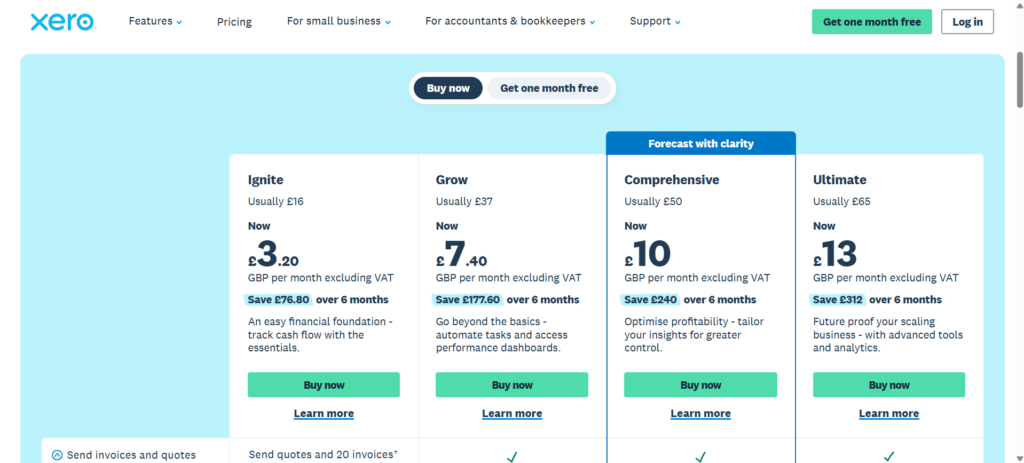
Most UK sellers end up on Xero, and for good reason. It connects directly to Shopify and to payment providers like Shopify Payments, Stripe and PayPal, so sales data flows in automatically rather than being typed in by hand.
Some sellers try to manage things through spreadsheets for the first few months. That can work at very low volume, but it falls apart quickly once you’re processing more than a handful of orders a day, and it won’t satisfy Making Tax Digital requirements once you’re VAT registered.
If you’re choosing accounting software for Shopify for the first time, look for one thing above all else: does it reconcile automatically against your actual bank payouts, or will you be doing that by hand every month.
How Shopify Payouts Actually Work (And Why They Confuse People)
Here’s where most confusion starts. Shopify Payments doesn’t pay you the second a customer buys something. It batches transactions together and pays out on a schedule, usually every few days.
That means the payout hitting your bank account on a Tuesday might include sales from several different days, each with its own fees and possibly its own refunds. Match that single bank line to “sales” and your figures won’t add up.
This is exactly the kind of reconciliation that tools like A2X exist to solve, by breaking each payout down into its components before it reaches your accounting software.
VAT On Shopify Sales: What You Need To Know
If your UK taxable turnover goes over £90,000 in any rolling 12 month period, you need to register for VAT, regardless of which platform you sell through. Shopify doesn’t register you or handle this automatically. That’s on you, or your accountant.
Once registered, you need to apply the correct VAT treatment to every sale, including anything sold to customers outside the UK, which often falls under different rules. Shopify VAT gets more complicated again if you sell into the EU, where the One Stop Shop (OSS) scheme usually applies once you’re shipping goods to EU customers.
Connecting Shopify To Xero Properly
Connecting Shopify to Xero isn’t just a case of ticking a box in an app store. Done properly, it means setting up the right chart of accounts categories for sales, fees, discounts and refunds, so that when data flows in, it lands in the right place automatically.
Get this setup wrong at the start and you’ll spend hours untangling it later, usually right before a VAT return or year end deadline.
Common Shopify Accounting Mistakes We See
A few mistakes come up again and again. Recording the bank payout as the sale figure, rather than breaking it down properly. Missing VAT on EU or international sales because UK rules were assumed to apply everywhere. Leaving bookkeeping until VAT return time instead of reconciling monthly, which turns a ten minute job into a multi-day one. Not tracking stock and cost of goods sold properly, so profit margins look better on paper than they actually are.
None of these are complicated to avoid. They just need to be set up correctly from the start.
When It’s Time To Bring In A Shopify Accountant
Plenty of store owners manage their own books early on, and that’s fine while volume is low and the store is simple. It usually becomes worth bringing in specialist help once you’re VAT registered, selling across more than one country, or simply spending more hours untangling your books each month than you’d like.
Final Thoughts
Shopify accounting isn’t difficult once it’s set up properly, but it’s easy to get wrong quietly, for months, without realising it. If you’d rather hand it over to someone who already knows how Shopify payouts, fees and VAT fit together, that’s exactly what we do for ecommerce sellers every day.
Have a look at how we support Shopify store owners, or get in touch and we’ll take a look at your setup.
Get A Free Quote
Breakout E-commerce accountants and Xero specialists to supercharge your UK online business growth.
You might also enjoy these articles
View all articles
Sole Trader or Limited Company:...

A2X vs Link My Books:...