Making Tax Digital For Income Tax: A Seller’s Guide
Making Tax Digital for Income Tax has stopped being something to prepare for and become something some sellers are already living with. From April 2026, anyone with qualifying income over £50,000 from self-employment or property is required to keep digital records and send quarterly updates to HMRC, instead of filing one return a year.
If you sell on Etsy, eBay, Vinted, Depop, Amazon or your own site as a sole trader, this guide explains what’s actually changed, whether it affects you yet, and what to do next.
What Is Making Tax Digital For Income Tax?
Making Tax Digital for Income Tax, often shortened to MTD for Income Tax or MTD ITSA, replaces the old approach of filing one Self Assessment return a year with four quarterly updates plus a final year end submission. The records behind those updates have to be kept digitally, in software that connects to HMRC, rather than in a spreadsheet you fill in once a year.
The quarterly updates aren’t full tax calculations. They’re running totals of your income and expenses, so HMRC, and you, get a clearer picture of your tax position throughout the year, rather than one number arriving in January.
Are You In Phase One?
Phase one started on 6 April 2026 and applies to anyone with qualifying income over £50,000, based on what was reported on your Self Assessment return for the 2024/25 tax year. Qualifying income means your gross turnover from self-employment and property income combined, before expenses come off.
If that’s you, this isn’t something to plan for anymore. It’s already live, and you should be keeping digital records now if you’re not already.
What This Means If You Sell On Etsy, eBay, Amazon Or Similar
For online sellers, qualifying income means your gross sales income from your shop, not your profit and not your bank payout after fees. If you sell across more than one platform, such as Etsy and eBay together, your income from both counts toward the same £50,000 figure.
This catches out more sellers than you might expect, because turnover on a growing shop can cross £50,000 well before it feels like a “big business” in profit terms.
The Three Things You Now Need To Do
If you’re in phase one, there are three requirements to get right. Keep digital records of every bit of income and every business expense, in compatible software rather than a spreadsheet with no digital link to HMRC. Submit a quarterly update roughly every three months, summarising your totals so far. File a Final Declaration at the end of the year, which replaces your old Self Assessment return and is still due by the usual 31 January deadline.
What About The £30,000 And £20,000 Thresholds?
If your qualifying income is between £30,000 and £50,000, your start date is 6 April 2027. Below that, down to £20,000, the requirement begins from 6 April 2028. Both dates are confirmed, not proposals, so it’s worth treating them as fixed when you’re planning ahead.
If you’re close to £50,000 now, or expect to be within the next year or two, it’s worth getting your digital record keeping sorted well before your actual start date, rather than scrambling in the final few months.
What Happens If You Ignore It?
HMRC has said it will take a proportionate approach in the early stages, but the direction is clear. Digital record keeping and quarterly updates are the new standard, not an optional add-on. Missing updates or filing from records that aren’t compliant is likely to attract the same kind of penalties currently applied to late or incorrect Self Assessment returns.
Getting Ready Even If You’re Not In Yet
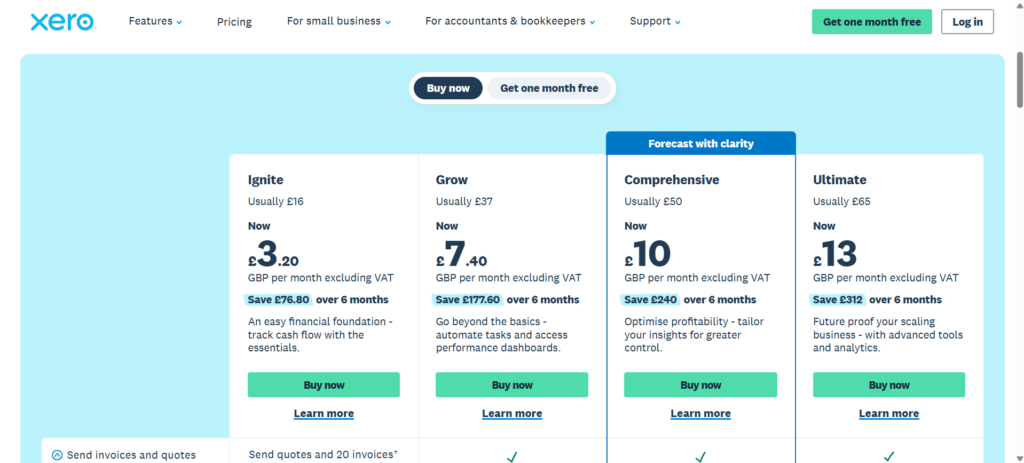
Even if your start date is a year or two away, the sellers who find this transition easiest are the ones already using proper accounting software, such as Xero, connected to their sales platforms. That way, moving to quarterly updates is a small step rather than a complete overhaul of how you keep records.
It’s also a good moment to make sure your Self Assessment position is accurate in the first place. Quarterly updates only work well if the underlying records are right.
Final Thoughts
Making Tax Digital for Income Tax is here for some sellers already, and coming for the rest within the next two years. Whether you’re filing quarterly updates now or just want your Self Assessment sorted properly before it becomes mandatory, we help online sellers stay ahead of it rather than catch up.
Learn more about our self assessment services for online sellers.
Get A Free Quote
Breakout E-commerce accountants and Xero specialists to supercharge your UK online business growth.
You might also enjoy these articles
View all articles
Sole Trader or Limited Company:...

A2X vs Link My Books:...