VAT Registration Threshold 2025/2026: What Ecommerce Sellers Need to Know

The VAT registration threshold in the UK currently sits at £90,000. That means if your ecommerce business turns over more than £90,000 in taxable sales within any rolling 12-month period, you’re legally required to register for VAT. Get that wrong and HMRC won’t be sympathetic.
But VAT registration isn’t just a box to tick when you hit a number. Knowing when it applies, how to calculate your turnover correctly, and what happens after you register makes a real difference to how you run your business and how much you keep.
This guide covers everything ecommerce sellers need to know about the VAT threshold in 2025, including a few things that often catch people off guard.
What counts toward the VAT threshold?
The threshold is based on your taxable turnover, not your profit. That means the total value of all VAT-taxable goods or services you sell, before any costs come off. It doesn’t matter whether you’re making money or not.
It’s also calculated on a rolling 12-month basis, not by tax year. So HMRC isn’t looking at April to April. They’re looking at any 12-month window. You could tip over the threshold in September and the clock starts ticking from there.
For most ecommerce businesses selling physical goods in the UK, essentially everything you sell counts. Where it gets more nuanced is if you sell zero-rated goods like children’s clothing or food, because those do count toward the threshold even though no VAT is charged on them. If you’re unsure what’s taxable in your product range, it’s worth getting advice.
The 30-day rule that catches people out
There are actually two ways you can trigger the requirement to register, and most people only know about one of them.
The first is the one everyone knows: your taxable turnover exceeds £90,000 over any rolling 12-month period. Once that happens, you have 30 days from the end of that month to register.
The second is less well known: if you have reasonable grounds to believe your turnover will exceed £90,000 in the next 30 days alone, you must register immediately. Not at the end of the month. Right away.
This second rule tends to bite ecommerce sellers who land a large wholesale order or a spike in sales they didn’t expect. If you can see it coming, you need to act.
A quick recap on what VAT actually is
VAT (value added tax) is a tax applied to most goods and services sold in the UK. The standard rate is 20%, and it’s been at that level since 2011. Some things are charged at a reduced rate of 5% such as home energy and children’s car seats, and others are zero-rated or exempt altogether.
Once you’re VAT-registered, you charge VAT on top of your prices and pass it on to HMRC. But you can also reclaim the VAT you’ve paid on business purchases, like stock, software, and advertising. For ecommerce sellers buying a lot of inventory, that reclaim can be significant.
Does VAT registration hurt your margins?
It can, particularly if your customers are everyday consumers rather than businesses. When you add 20% VAT to your prices, you either absorb it yourself and squeeze your margins, or pass it on and risk losing price-sensitive customers.
If you’re selling B2B, it’s a different story. Business customers can reclaim VAT just as you can, so it tends not to affect the buying decision. In fact, being VAT-registered can make you look more established and credible to other businesses.
For consumer-facing ecommerce, VAT registration does change your cost structure. Planning for it before you hit the threshold, rather than scrambling when you get there, gives you time to adjust pricing and protect your margins properly.
How to register for VAT
You register online through your Government Gateway account on HMRC’s website. You’ll need your business details, turnover figures, and bank account information to hand. Once registered, HMRC will send you a VAT registration number and certificate, usually within a few weeks.
During the registration process you’ll need to choose a VAT scheme. The standard scheme works for most businesses, but there are others worth knowing about, including the Flat Rate Scheme for smaller businesses and the Cash Accounting Scheme if cash flow is a concern. An ecommerce accountant can help you choose the right one for your situation.
If the process feels like a lot to manage alongside running your store, you can appoint an accountant to handle the registration on your behalf.
Making Tax Digital and what it means for you
Since April 2022, all VAT-registered businesses must comply with Making Tax Digital (MTD) for VAT. That means keeping digital records and submitting VAT returns through MTD-compatible software. Spreadsheets on their own no longer cut it.
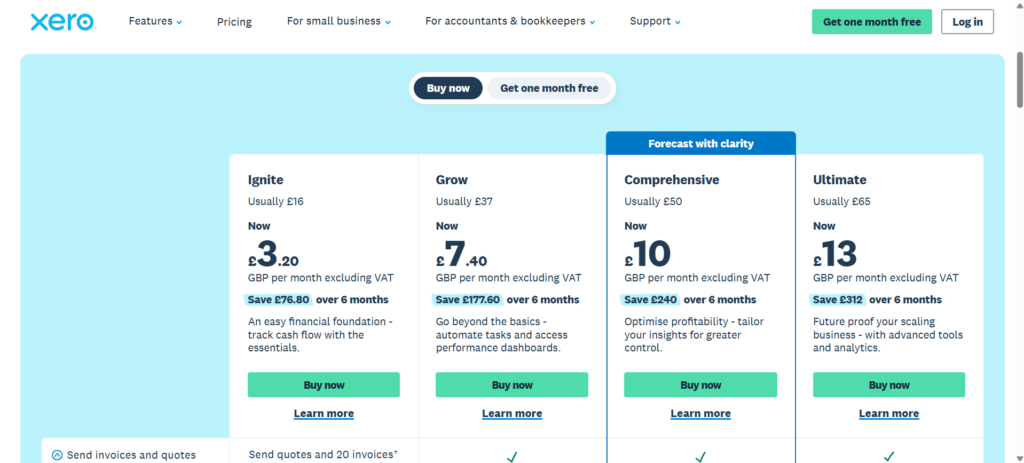
For ecommerce sellers, we recommend Xero. It connects directly to Shopify, Amazon, and most other platforms, pulls in your sales data automatically, and handles MTD submissions without much manual effort. Setting it up properly from day one saves a lot of time down the line.
What to keep an eye on going into 2026
As of April 2026, the VAT registration threshold remains at £90,000 and the deregistration threshold sits at £88,000. No change has been confirmed for the near term.
That said, there has been ongoing discussion about whether the threshold could be lowered, with some estimates suggesting it might eventually drop to somewhere between £60,000 and £70,000. Nothing is legislated yet, but it’s worth keeping an eye on if your turnover is growing and you’re currently sitting comfortably under £90,000. We’ll update this page as things change.
Not sure where you stand?
The VAT registration threshold isn’t something to leave until you’ve already crossed it. If your ecommerce store is growing, it’s worth reviewing your turnover regularly and planning ahead so that when you do hit £90,000, you’re ready rather than scrambling.
At Unicorn Accounting, we work with ecommerce sellers at every stage. Whether you need help registering, choosing the right VAT scheme, or setting up Xero to stay MTD-compliant, we’re happy to help. Get in touch to find out where you stand.
Get A Free Quote
Breakout E-commerce accountants and Xero specialists to supercharge your UK online business growth.
You might also enjoy these articles
View all articles
Sole Trader or Limited Company:...

A2X vs Link My Books:...